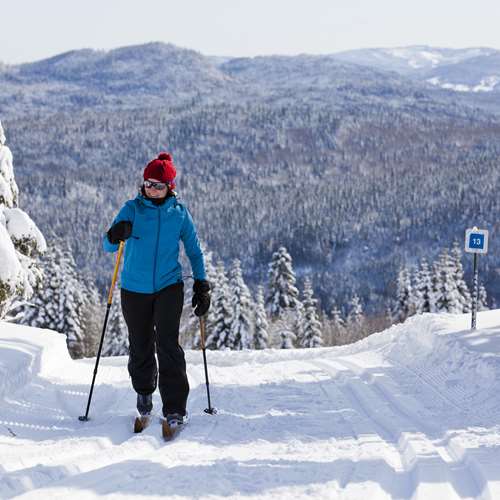


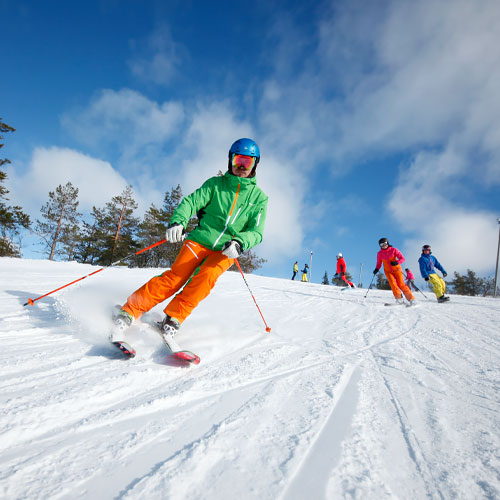
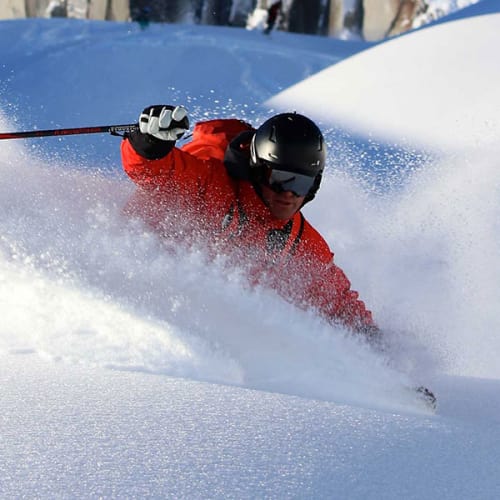

Winter sports provide an exceptional amount of adrenaline and enjoyment. However, if you’re partaking in activities such as skiing or snowboarding, having the right travel insurance policy is vital. Generally speaking, snowboarding is riskier than skiing, although other factors such as a skier’s ability level and equipment regulations will determine the overall risk factor.
Travel insurance when skiing is essential
Utility Saving Expert allows you to easily compare the top travel insurance providers, this comparison site even has an in-depth guide and answers to the most commonly asked questions to help you make an informed decision before purchasing your next policy. It shouldn’t take longer than 10 to 15 minutes to obtain a free no obligation quote.
As you’re likely already aware, the type of injuries suffered by those participating in skiing and snowboarding tend to be much greater than traditional sports activities. Common injuries include dislocations, ligament damage and broken bones. If you suffer an injury and you don’t have sufficient travel cover, the cost of medical bills could be astronomical. For some this will be even more painful than the actual injury. Remote locations at a number of ski resorts can also increase the cost of emergency transportation.
In addition to your own personal medical coverage, travel insurance can also protect you against personal liability, lost or stolen equipment and even missed resort days due to adverse weather conditions.
Coverage includes a number of elements. You should never assume that a standard travel insurance policy covers winter sports, as this will almost always be required as an additional purchase. Here are a number of elements that are specific to winter sports:
Medical expenses
Medical expenses will cover you for any sustained injuries on the slopes. You’ll want to target at least £3 million in medical cover. Make sure that travel back to the UK is also included. A 24-hour emergency helpline and mountainside rescue are also necessary.
Personal liability cover
If you are involved in an incident and injure someone else or cause damage to their property, this will cover your legal expenses, should a third party pursue a claim against you. You’ll want to target at least £1 million for this.
Loss of use
No one wants to go on holiday and miss out due to bad weather. This element will cover you for days that you’re unable to make use of your ski passes as a result of adverse weather conditions, illness or injury. Most policies will include an amount that will be paid out for each day lost. It is therefore a good idea to search for a policy with a higher pay-out if you’re travelling to an area that is known for poor weather.
Lost or stolen equipment
Losing or damaging ski equipment is pretty common and these items aren’t cheap. A top winter sports insurance policy will cover you for these losses.
Standard travel cover
In most cases, you will likely be including winter sports coverage on top of a standard travel insurance policy. Ensure that your total policy includes both aspects and doesn’t neglect even the most basic elements of cover.
Contents coverage
If your luggage is lost, stolen or damaged, you will be covered for this. A total limit will be included, as well as a limit on individual items. Ensure you read the policy limitations and exclusions beforehand. If you’re taking your own ski equipment with you on holiday, you’ll want to select a higher limit.
Cancellation
This will provide cover in the event that you need to cancel your holiday or leave early. Remember that each insurance company may accept a different valid reason.
Emergency assistance
Most travel insurers will offer a 24-hour emergency contact number. Although, you should check what level of emergency assistance is actually included.
Flight delays
Airline delays can and will occur for a number of reasons outside of your control. Should a delay take place, ensure you get proof of this before pursuing a claim. Normally, you will receive email confirmation if your flight is delayed. Think about the climate of the location you’re flying to when deciding what level of cover you will need.
Other important aspects worth knowing
A European Health Insurance Card (EHIC) entitles you to the same level of medical care that would be given to a citizen of the country where you are travelling to. This will include treatment for pre-existing medical conditions.
Keep an eye out for age limits and make sure you declare any pre-existing medical conditions. Although your premium may increase, it’s better to pay a little extra than have your claim rejected for not being honest.
Remember to follow a resort’s guidelines and do not go off site. If you injure yourself and you’re not wearing the right protective equipment, your insurer may not pay out for an accident or injury claim.
In conclusion, be safe, ensure you have sufficient cover and read the terms and conditions of your travel insurance policy before buying.